
The Ultimate Buyer’s Guide to Night Vision Monoculars: What Every Enthusiast Needs to Know
Night vision monoculars are an essential tool for outdoor enthusiasts, security personnel, and hobbyists who require enhanced vision in low-light conditions. These devices amplify ambient light, allowing users to see clearly in the dark. Understanding the technology, features, and maintenance of night vision monoculars is critical for making an informed decision. Below, we delve into the intricacies of night vision technology, features to consider, brand comparisons, and care tips for your device.
Understanding Night Vision Monocular Technology and Generations
The technology behind night vision monoculars is fascinating, relying on the amplification of available light to provide a clear image even in low-light scenarios. This light, which may be invisible to the naked eye, is captured and intensified through a photocathode tube, resulting in a visible image on the monocular’s screen. This process is what allows users to see in near darkness, transforming nocturnal adventures, surveillance, or navigation.
There are several generations of night vision technology, each marking a significant advancement in performance and image quality. Gen 1 devices, although the most budget-friendly, offer limited range and resolution compared to newer generations. Gen 2 devices provide enhanced clarity and longer battery life, making them a middle-ground option for many users. However, for those requiring state-of-the-art performance, Gen 3 PVS-14 monoculars represent the cutting edge in night vision technology, offering exceptional brightness, clarity, and reliability.
The most recent advancements in night vision, such as autogated and white phosphor technology, belong to the Gen 3 category. Autogating greatly reduces the “blooming” effect caused by bright light sources, ensuring a clear image under fluctuating light conditions. White phosphor technology, on the other hand, offers a black-and-white image, which many users find to be more natural and easier on the eyes compared to the traditional green phosphor screens.
The Role of Magnification and Resolution in Night Vision Devices
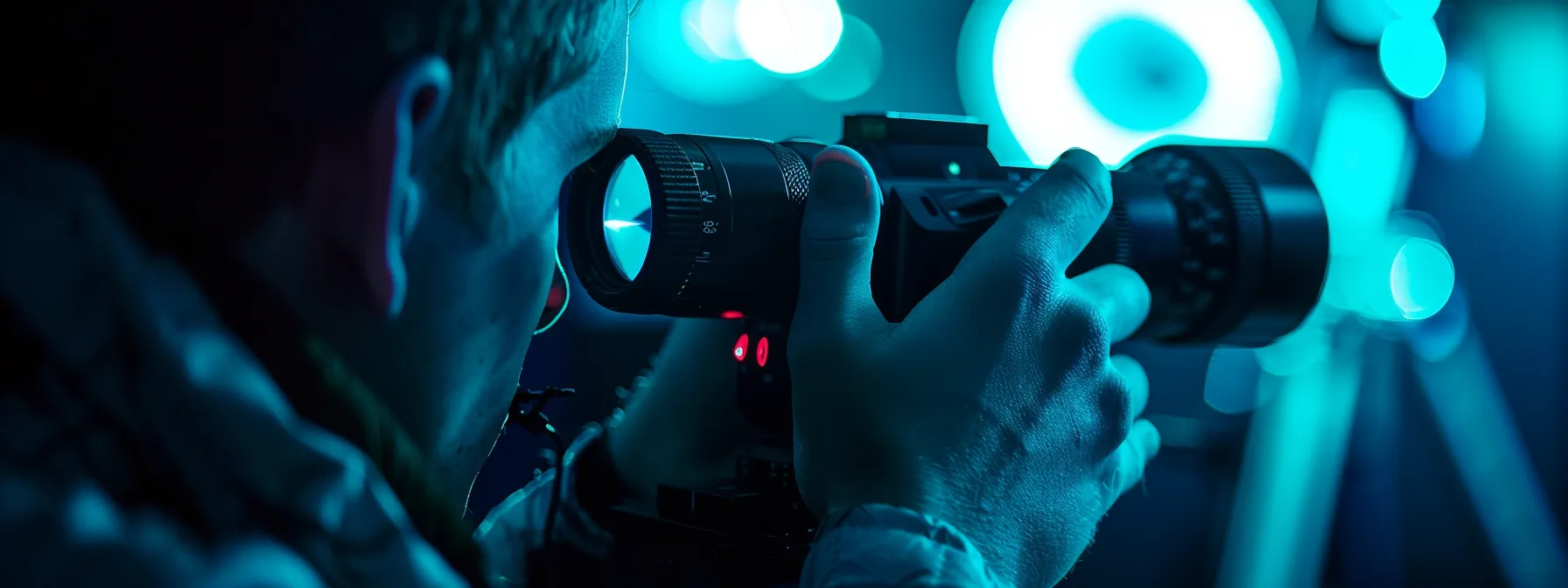
Magnification in night vision monoculars is a critical aspect that dictates how close objects appear when viewing through the device. Higher magnification can be helpful for distant observation, but it can narrow the field of view and make hand-held operation difficult due to image shakiness. A lower magnification, conversely, usually provides a wider field of view and better situational awareness, making it suitable for navigation or when on the move.
Resolution in night vision technology refers to the ability of the device to distinguish between objects close together, impacting the detail and sharpness of the image. Higher resolution results in better image quality, which is especially valuable in identification tasks or when discerning fine details is necessary. However, high-resolution devices tend to be more expensive, so users must balance their need for detail with their budget.
Comparing Brands and Models for the Best Night Vision Experience

With numerous brands and models available on the market, selecting the right night vision monocular can be a daunting task. Popular brands like ATN, Armasight, and Night Owl offer a range of products tailored to different needs and budgets. High-end brands typically feature better optics, more reliable performance, and additional features like wireless connectivity and recording capabilities.
Reading user reviews and expert opinions can provide valuable insights into the real-world performance of various models. Many enthusiasts share detailed accounts of their experiences, which can highlight potential advantages or drawbacks not apparent in product specifications alone. Keeping abreast of the latest product releases and updates can also help you find a device with the most advanced technology and features.
Maintenance and Care Tips for Night Vision Monoculars

To ensure the longevity and peak performance of your night vision monocular, proper maintenance and care are essential. Always refer to the manufacturer’s guidelines for cleaning and storage instructions. The lens of the monocular, being the most sensitive part, should be cleaned gently with the provided cloth or a special lens cleaner to avoid scratching or damaging the optics.
Storage is equally important; keep the monocular in a temperature-controlled environment to prevent damage from extreme heat or cold. Ensure that the device is stored away from direct sunlight, which can harm the sensitive internal components. If the monocular will not be used for an extended period, remove the batteries to prevent potential leakage and corrosion.
Altogether, understanding the key variables and proper maintenance can dramatically enhance your experience with night vision monoculars. Whether you’re a dedicated hobbyist, a security professional, or an avid outdoors enthusiast, investing time to research and care for your night vision equipment will yield rewarding nighttime observations and ventures.