

For agencies that rely heavily on their fleet of vehicles to deliver exceptional service, maintaining the operational integrity of these vehicles is paramount. A key component often overlooked is the exhaust and muffler system. Neglecting these systems can lead to expensive repairs, affecting the business's bottom line and Client Retention Rate. This article will delve into the importance of regular inspections, identifying common issues, and implementing preventative maintenance practices. Additionally, we'll explore cost-effective solutions that agencies can adopt to ensure their vehicles remain efficient and reliable.
Regular Inspections for Exhaust System Longevity
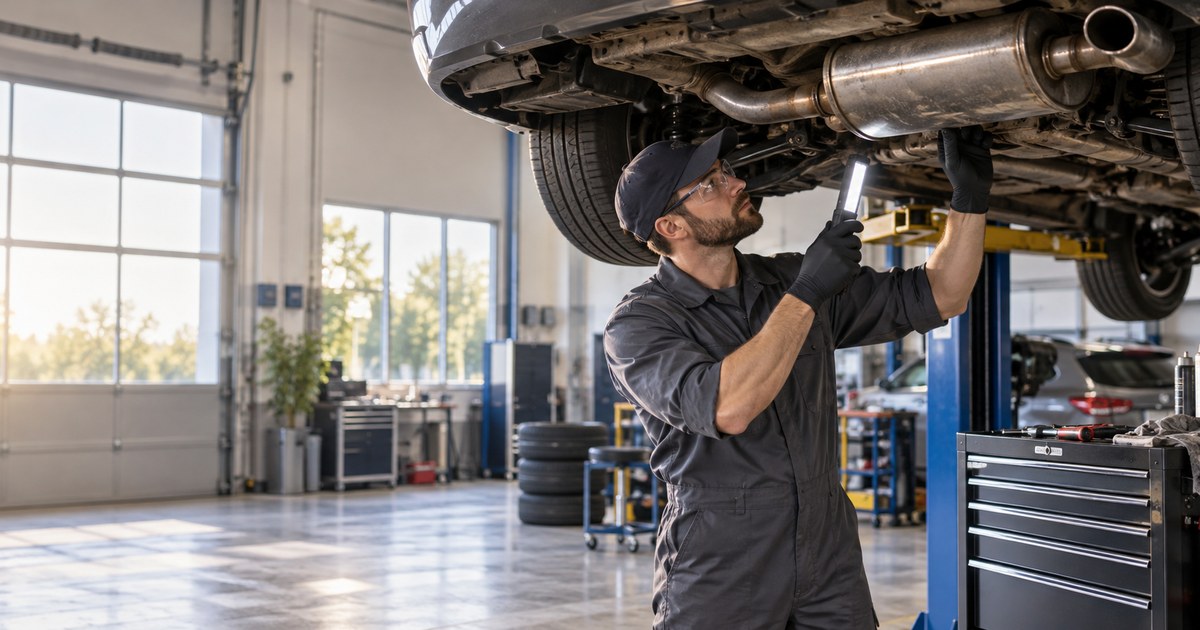
Agencies can greatly benefit from regular inspections of their vehicle's exhaust systems. An Account Strategist understands that the longer the downtime, the greater the risk to campaign delivery timelines. Regular inspections help identify minor issues before they escalate into major problems, ensuring seamless operations and uninterrupted service delivery. For instance, a simple check for rust or leaks in the exhaust can prevent major failures down the road. Addressing these repairs early can help avoid costly Exhaust and Muffler Repair in the future.
Keeping inspection schedules and maintenance records in one place can streamline this process. As agencies often juggle multiple projects, having a structured approach to vehicle maintenance ensures that no detail is overlooked. A well-maintained fleet shows a business takes reliability and professionalism seriously.
Recent guidelines from the National Highway Traffic Safety Administration emphasize the importance of regular vehicle checks, supporting the agency's efforts to maintain high operational standards.
Common Signs of Exhaust and Muffler Issues
Recognizing the symptoms of exhaust and muffler problems early can save agencies significant repair costs. Common signs include increased engine noise, decreased fuel efficiency, and visible rust on the exhaust pipes. These could indicate issues like leaks or blockages that require immediate attention.
Agencies should train their drivers to conduct a simple User Experience (UX) Audit for their vehicles. By understanding what a well-functioning exhaust system feels and sounds like, drivers can report any anomalies promptly. This proactive approach to maintenance aligns with Integrated Marketing Communications (IMC) strategies, ensuring all aspects of the agency's operations are harmoniously integrated.
Furthermore, incorporating a guide from Cars.com on identifying exhaust issues can enhance an agency's internal training programs, making vehicle upkeep a seamless part of daily operations.
Preventative Maintenance Practices for Optimal Performance
Implementing preventative maintenance practices is crucial for maintaining exhaust system performance. Agencies that prioritize these practices can avoid costly Exhaust and Muffler Repair. Scheduling regular check-ups, using high-quality fuel, and ensuring proper vehicle storage are vital steps in this process.
Programmatic Advertising campaigns often rely on precise timing and coordination, much like vehicle maintenance schedules. An agency can adopt a Lead Scoring Matrix to prioritize vehicles that require urgent attention, ensuring that the most critical assets are serviced promptly. This methodical approach minimizes unexpected disruptions and maintains a high Conversion Rate Optimization (CRO) in service delivery.
Preventative measures not only extend the life of the exhaust system but also contribute to an agency’s reputation as a reliable partner in Influencer Relationship Management (IRM). By maintaining a dependable fleet, agencies can promise consistent service to their clients.
Cost-Effective Solutions for Exhaust and Muffler Care
Agencies are always looking for cost-effective solutions to manage their assets efficiently. Investing in regular maintenance rather than waiting for problems to arise is a financially savvy strategy. Simple practices like regular cleaning and using exhaust-friendly lubricants can significantly reduce the likelihood of needing extensive repairs.
Adopting an Omnichannel Engagement strategy can also play a role in exhaust and muffler care. By leveraging media channels to communicate maintenance best practices, agencies can educate their teams on the importance of vehicle upkeep, thereby reducing long-term costs.
Agencies can greatly benefit from understanding the intricacies involved in Exhaust and Muffler Repair, as highlighted by Exhaust and Muffler Repair on Ledgewood Car Care. By focusing on prevention and informed decision-making, agencies can safeguard their fleet investments effectively.
Conclusion
Proper maintenance of exhaust and muffler systems is a critical aspect of vehicle management for agencies. Regular inspections, early issue detection, and preventative practices not only prevent costly repairs but also enhance operational efficiency. Implementing these strategies ensures that agencies maintain their reputation for reliability and excellence. By prioritizing vehicle maintenance, agencies can continue to deliver seamless services and uphold their commitment to quality.