
Modern Security with Cloud Based Access Control Systems

Share this Article 

Modern Security with Cloud Based Access Control Systems

Managing physical access to corporate facilities and data centers requires a transition from localized, hardware-dependent servers to centralized, internet-accessible management platforms. This evolution ensures that security teams can monitor entries, revoke credentials, and audit logs from any location in real-time, providing a level of agility that previous systems could not achieve. Failing to modernize these protocols often leads to fragmented visibility and increased vulnerability to unauthorized physical breaches, which can have catastrophic consequences for data integrity and personnel safety in 2026.

The Shift from On-Premises Hardware to Distributed Security

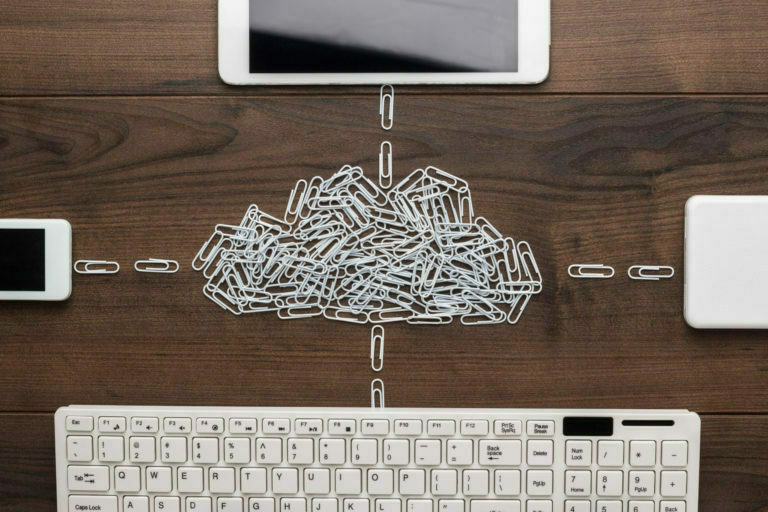
Traditional on-premises security systems frequently suffer from high maintenance costs and limited scalability, creating significant bottlenecks for growing organizations. In 2026, the reliance on local servers is viewed as a security liability because physical damage or local network outages can render the entire access system useless. Cloud based access control systems solve this by offloading the processing power and storage to redundant, secure data centers. This move allows for instant software updates and patch management, ensuring that the latest encryption standards are always active without manual intervention from IT staff. Furthermore, the total cost of ownership is significantly reduced as organizations move from a capital expenditure model—buying expensive servers and software licenses—to an operational expenditure model where they pay for the services they actually use. This distributed approach also enhances data durability, as access logs and permission sets are backed up across multiple geographic zones, preventing data loss during local disasters. As security perimeters become more fluid, the ability to manage multiple sites from a single pane of glass has become a non-negotiable requirement for modern enterprise environments.

Essential Components of Cloud-Managed Entry Infrastructure

A robust cloud-managed security system relies on three primary pillars: the cloud controller, the edge reader, and the credential management interface. The controller acts as the brain, communicating via secure tunnels to the central management dashboard where administrators set permissions and monitor activity. Edge readers have evolved by 2026 to support multi-factor authentication, including biometric scans and encrypted mobile tokens, which communicate directly with the cloud via encrypted Wi-Fi or cellular backups. This architecture ensures that even if the primary internet connection fails, local cached permissions allow authorized personnel to maintain access while the system logs data for later synchronization. Credentials have transitioned from simple proximity cards to sophisticated digital keys stored in secure enclaves on mobile devices. These digital keys utilize Near Field Communication (NFC) or Bluetooth Low Energy (BLE) to establish a secure handshake with the reader, significantly reducing the risk of credential cloning. By 2026, the integration of these components allows for a seamless user experience where employees can move between global offices using a single digital identity, while security teams maintain granular control over every individual entry point without needing to visit the site physically.

Integrating Physical Access with Digital Identity Providers

Modern security strategies emphasize the integration of physical access with digital identity providers to create a unified defense posture. By 2026, the convergence of physical security and IT has become standard, where cloud based access control systems link directly with employee directories like Azure AD or Okta. This means that when a user is offboarded from the company’s email and VPN, their physical badge or mobile key is automatically revoked across all global locations simultaneously. Integrating these systems with Zero-Trust Network Access (ZTNA) frameworks ensures that physical presence is validated with the same rigor as digital logins. For example, a system might require a successful biometric scan at the office door before allowing the user to log into sensitive server environments. This “physical-to-digital” handshake prevents attackers from using stolen credentials remotely if the legitimate user is not physically present in a verified location. This level of synchronization reduces the administrative burden on HR and IT departments while closing the “security gap” that often exists between physical entry and digital resource access, which remains a primary target for sophisticated social engineering attacks.

Scaling Security Operations Across Global Locations

Scaling a security network across multiple geographic sites previously required complex VPN tunnels and local server configurations at every branch. Today, cloud-managed solutions enable a “plug-and-play” deployment model where new hardware is registered via a serial number and immediately inherits the organization’s global security policies. This scalability is particularly vital for organizations managing hybrid workforces where office usage fluctuates. Administrators can monitor occupancy levels in real-time to optimize energy usage and ensure that security personnel are deployed efficiently based on actual traffic patterns detected by the access control hardware. In 2026, the use of Software as a Service (SaaS) models for access control allows companies to expand their footprint without the need for specialized on-site technicians. If a company opens a new satellite office, they simply install the cloud-connected readers and activate the license. The system automatically syncs the existing employee database to the new hardware, allowing authorized staff to enter the new facility immediately. This agility is essential for modern businesses that need to adapt to changing market conditions and workforce distributions without compromising their underlying security architecture.

Mitigating Vulnerabilities in Internet-Connected Security Systems

While the benefits of the cloud are extensive, security practitioners must address the risks associated with internet-dependent hardware. In 2026, the most effective systems utilize end-to-end encryption (E2EE) for all data in transit and at rest, preventing man-in-the-middle attacks. Organizations should prioritize vendors that offer “offline-first” functionality, where the local hardware stores a subset of the database to maintain functionality during outages. Furthermore, regular auditing of administrative logs is essential to detect “shadow” access permissions that may have been granted during temporary projects and never revoked. Compliance with international standards such as SOC2 Type II and ISO 27001 is a critical benchmark for evaluating cloud vendors, as it ensures that the service provider adheres to strict data privacy and security protocols. Additionally, 2026 standards require that all cloud-connected security devices utilize secure boot and signed firmware updates to prevent the installation of malicious software at the edge. By implementing these rigorous technical safeguards, organizations can enjoy the flexibility of the cloud while maintaining a defensive posture that is resistant to both physical tampering and sophisticated cyber-attacks targeting the IoT infrastructure.

Future-Proofing with AI-Driven Behavioral Analytics

Looking ahead, the integration of artificial intelligence into access control is transforming how threats are identified and neutralized. By 2026, behavioral analytics can identify “tailgating”—where an unauthorized person follows an authorized person through a door—or detect unusual entry patterns that deviate from established employee routines. These anomalies trigger automated alerts or temporary lockouts, allowing security teams to investigate before a breach occurs. Choosing a system that supports the Open Supervised Device Protocol (OSDP) ensures that the hardware remains compatible with future security enhancements and avoids the vendor lock-in common with legacy proprietary systems. OSDP has become the industry standard in 2026 because it supports high-level encryption and bi-directional communication between the reader and the controller, which is necessary for advanced AI features. Investing in open standards and cloud-native architecture allows for a modular approach where readers and controllers can be upgraded independently as technology evolves. This ensures that the organization’s physical security infrastructure remains resilient against emerging threats while providing the data necessary for long-term strategic planning and operational efficiency.

Conclusion: Enhancing Resilience with Cloud Agility

Adopting cloud based access control systems is no longer an optional upgrade but a fundamental requirement for maintaining a resilient security infrastructure in 2026. By centralizing management and leveraging real-time data, organizations can protect their assets with greater precision and lower operational overhead. Begin your migration by auditing current hardware compatibility and selecting a cloud provider that prioritizes encrypted, API-driven integration to ensure your physical and digital perimeters remain unified and secure.

How do cloud based access control systems differ from traditional systems?

Cloud based access control systems host the management software and database on remote servers rather than on-premises hardware. This allows for real-time updates, remote management via mobile apps, and seamless scaling across multiple locations. Traditional systems require local servers, manual software patches, and often necessitate on-site visits to change user permissions or audit logs, making them less efficient for modern, distributed workforces.

Can these systems work during an internet outage?

Reliable cloud based access control systems feature “offline-first” architecture or local standby modes. The edge controllers store a local cache of authorized users and their permissions. If the internet connection is lost, the hardware continues to grant or deny access based on the last known data. Once the connection is restored, the system automatically synchronizes all locally stored entry logs with the central cloud database.

Are mobile credentials more secure than physical key cards?

Mobile credentials are generally considered more secure because they utilize the smartphone’s built-in security features, such as biometric authentication and secure enclaves. Unlike traditional RFID cards, which can be easily cloned with inexpensive equipment, mobile tokens use encrypted Bluetooth or NFC handshakes. Additionally, if a phone is lost, it can be remotely wiped or deactivated instantly, whereas a lost physical card may go unnoticed for days.

What is the role of OSDP in modern access control?

The Open Supervised Device Protocol (OSDP) is a communication standard that provides high-level encryption between the card reader and the controller. By 2026, OSDP has replaced older, insecure protocols like Wiegand because it supports bi-directional communication. This allows the system to monitor the health of the reader in real-time and prevents “sniffing” attacks where hackers intercept data sent from the reader to the control panel.

How does cloud access control improve regulatory compliance?

Cloud systems improve compliance by providing centralized, immutable audit logs that record every entry attempt and administrative change. In 2026, these systems often include automated reporting tools specifically designed for standards like GDPR, HIPAA, or SOC2. Because the data is stored in the cloud, it is easier for auditors to verify that security policies are being enforced consistently across all organizational facilities without requiring manual data collection.

===SCHEMA_JSON_START===
{
“meta_title”: “Cloud Based Access Control Systems: 2026 Security Guide”,
“meta_description”: “Discover how cloud based access control systems enhance physical security with real-time management, AI analytics, and zero-trust integration in 2026.”,
“focus_keyword”: “cloud based access control systems”,
“article_schema”: {
“@context”: “https://schema.org”,
“@type”: “Article”,
“headline”: “Cloud Based Access Control Systems: 2026 Security Guide”,
“description”: “Discover how cloud based access control systems enhance physical security with real-time management, AI analytics, and zero-trust integration in 2026.”,
“datePublished”: “2026-01-01”,
“author”: { “@type”: “Organization”, “name”: “Site editorial team” }
},
“faq_schema”: {
“@context”: “https://schema.org”,
“@type”: “FAQPage”,
“mainEntity”: [
{
“@type”: “Question”,
“name”: “How do cloud based access control systems differ from traditional systems?”,
“acceptedAnswer”: { “@type”: “Answer”, “text”: “Cloud based access control systems host the management software and database on remote servers rather than on-premises hardware. This allows for real-time updates, remote management via mobile apps, and seamless scaling across multiple locations. Traditional systems require local servers, manual software patches, and often necessitate on-site visits to change user permissions or audit logs, making them less efficient for modern, distributed workforces.” }
},
{
“@type”: “Question”,
“name”: “Can these systems work during an internet outage?”,
“acceptedAnswer”: { “@type”: “Answer”, “text”: “Reliable cloud based access control systems feature “offline-first” architecture or local standby modes. The edge controllers store a local cache of authorized users and their permissions. If the internet connection is lost, the hardware continues to grant or deny access based on the last known data. Once the connection is restored, the system automatically synchronizes all locally stored entry logs with the central cloud database.” }
},
{
“@type”: “Question”,
“name”: “Are mobile credentials more secure than physical key cards?”,
“acceptedAnswer”: { “@type”: “Answer”, “text”: “Mobile credentials are generally considered more secure because they utilize the smartphone’s built-in security features, such as biometric authentication and secure enclaves. Unlike traditional RFID cards, which can be easily cloned with inexpensive equipment, mobile tokens use encrypted Bluetooth or NFC handshakes. Additionally, if a phone is lost, it can be remotely wiped or deactivated instantly, whereas a lost physical card may go unnoticed for days.” }
},
{
“@type”: “Question”,
“name”: “What is the role of OSDP in modern access control?”,
“acceptedAnswer”: { “@type”: “Answer”, “text”: “The Open Supervised Device Protocol (OSDP) is a communication standard that provides high-level encryption between the card reader and the controller. By 2026, OSDP has replaced older, insecure protocols like Wiegand because it supports bi-directional communication. This allows the system to monitor the health of the reader in real-time and prevents “sniffing” attacks where hackers intercept data sent from the reader to the control panel.” }
},
{
“@type”: “Question”,
“name”: “How does cloud access control improve regulatory compliance?”,
“acceptedAnswer”: { “@type”: “Answer”, “text”: “Cloud systems improve compliance by providing centralized, immutable audit logs that record every entry attempt and administrative change. In 2026, these systems often include automated reporting tools specifically designed for standards like GDPR, HIPAA, or SOC2. Because the data is stored in the cloud, it is easier for auditors to verify that security policies are being enforced consistently across all organizational facilities without requiring manual data collection.” }
}
]
}
}
===SCHEMA_JSON_END===